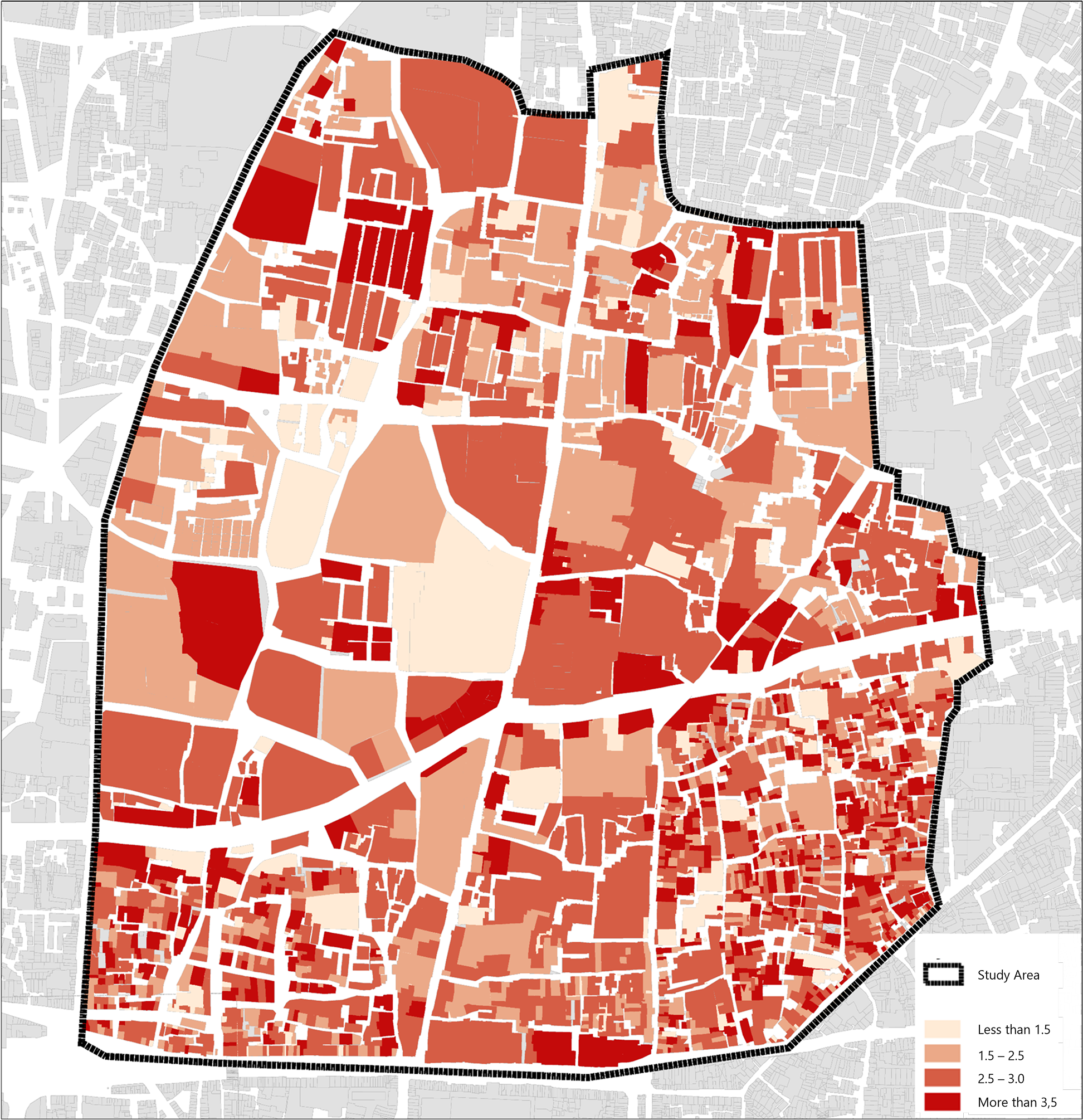
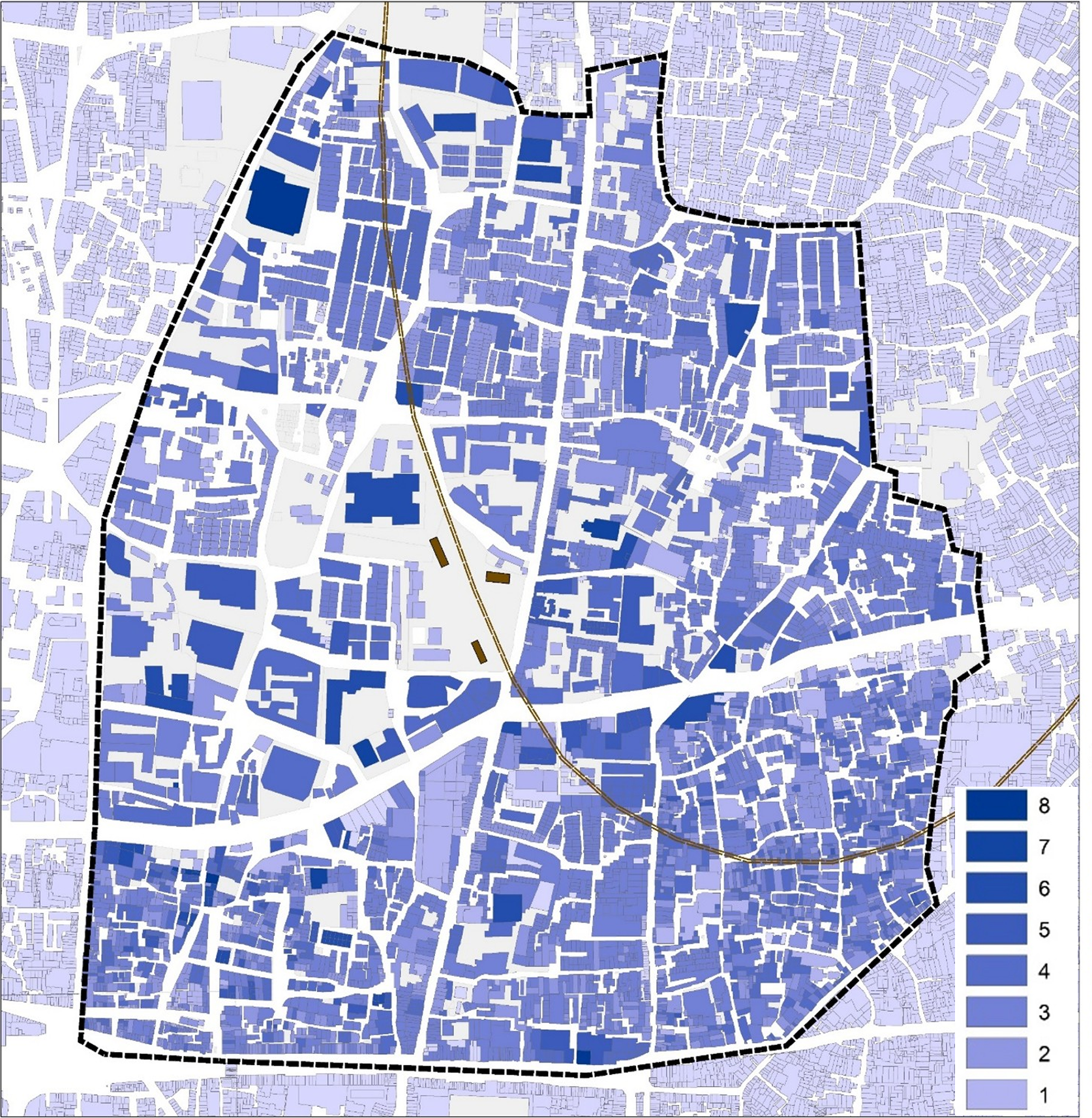
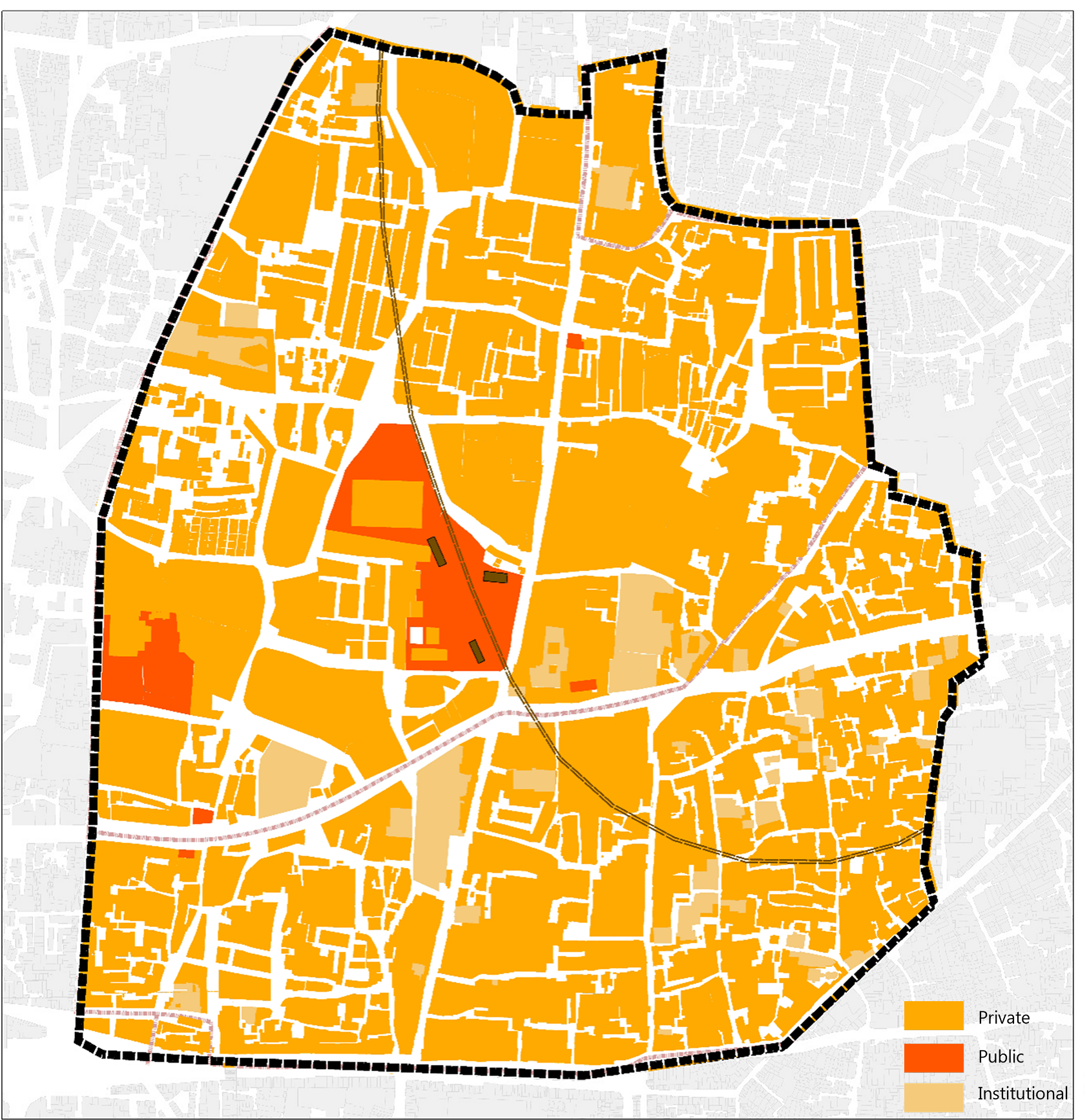
The study takes a multi-scalar approach, analyzing the precinct from neighborhood-level streetscapes to its role within the broader metropolitan transport network.
Heritage-sensitive zoning proposals ensure that new development complements the existing fabric rather than overwhelming it. Transit-oriented development (TOD) strategies are calibrated specifically for the metro station's catchment area, with proposals for increased density, mixed-use development, and improved last-mile connectivity.
Infrastructure improvements span both hard systems (water supply, drainage, solid waste management) and soft interventions (street furniture, public art, wayfinding). Mobility and parking management proposals address the chronic congestion issues that plague the old city's narrow streets.
Financial mechanisms - including heritage TDR (Transferable Development Rights) - provide sustainable funding pathways for conservation and infrastructure upgrades.